New Year’s Resolutions That Actually Stick
Work. Love. Play.
Every January, we feel the pressure to become a “better version” of ourselves overnight. New goals. New habits. New energy. But instead of chasing perfection, I believe in building a life that feels balanced, connected, and sustainable.
This year, I’m thinking about New Year’s resolutions through three lenses that shape both our personal lives and our work: Work, Love, and Play.
Work: Progress Without Burnout
Feeling productive matters. Making progress gives us confidence and momentum, especially at work. But productivity only works when it’s intentional. Without structure, it quickly turns into overwhelm.
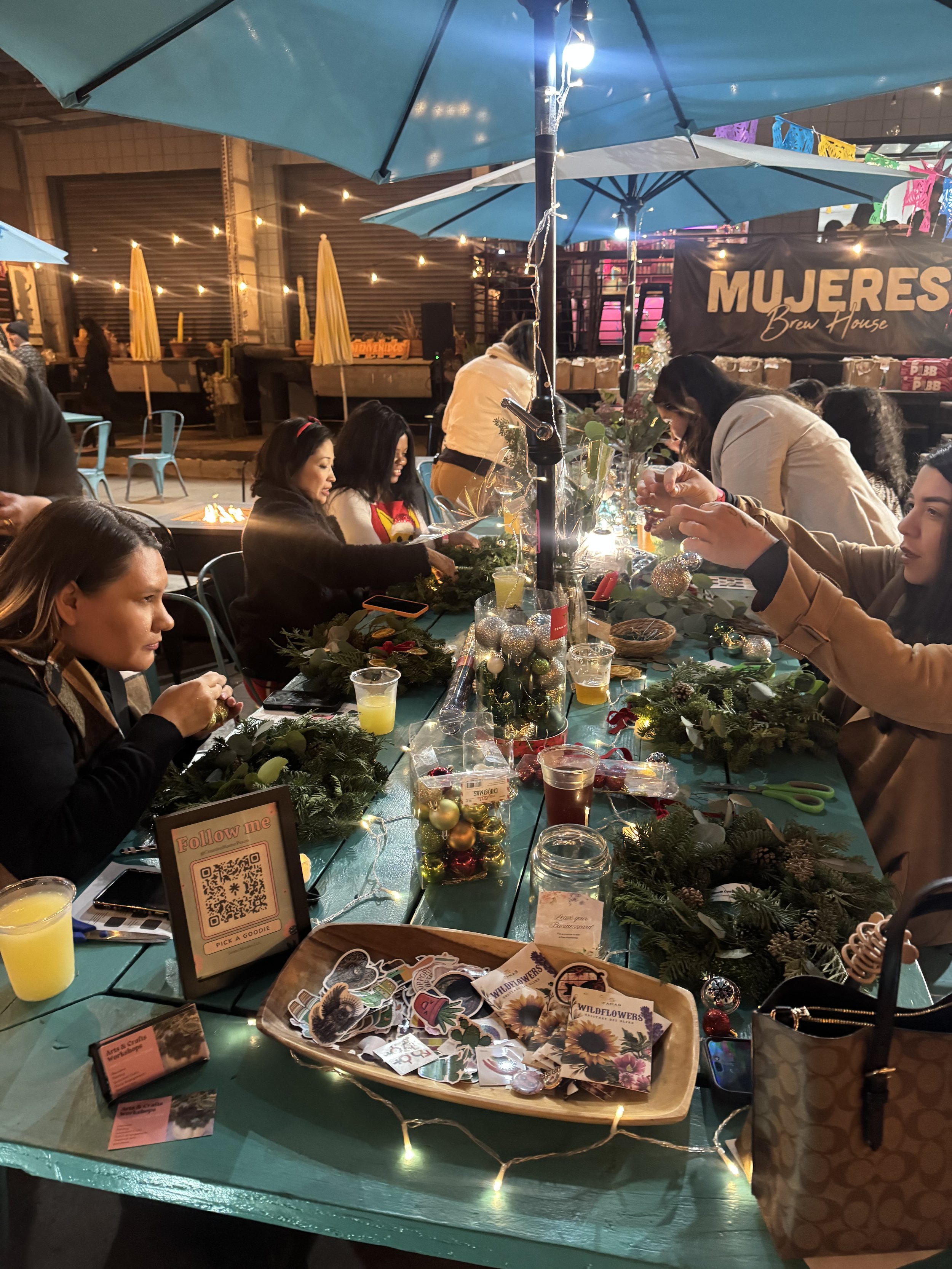
In my own business, productivity looks simple and realistic. I set clear goals, block focused work time, and respect deadlines. One example is how I plan an arts and crafts workshop. It starts with an idea that feels engaging and accessible. Then I schedule the event, share it with my community, host it, and afterward reflect on what worked and what could improve. That cycle helps me grow and keeps my work moving forward.
This same process applies to teams and organizations. When employees can work toward a clear outcome and see progress, morale improves. Creative workshops can support professional development by giving teams a shared goal, a sense of accomplishment, and a break from constant screen-based tasks. Productivity should feel motivating, not draining.
Love: Community Is a Health Practice
Our relationships play a bigger role in our health than we often realize. One of the most well-known studies on adult wellbeing, the Harvard Study of Adult Development, shows that strong social connections are one of the biggest predictors of long-term happiness and health. Yet many people today feel lonely, disconnected, or stretched too thin to show up consistently.
We live in a culture where plans are easily canceled and commitments feel optional. But community doesn’t build itself. If we want support, we have to be willing to show up, follow through, and participate. I often think of it as becoming a “villager.” Checking in on neighbors, accepting invitations, and making time for shared experiences is how trust and connection grow.
Play: Creativity Supports the Nervous System
Play isn’t optional, even though it’s often the first thing we cut when life gets busy. Research shows that creative activities and learning new skills help regulate the nervous system and reduce stress. Doing something with your hands activates different parts of the brain than analytical work and helps us feel grounded and present.
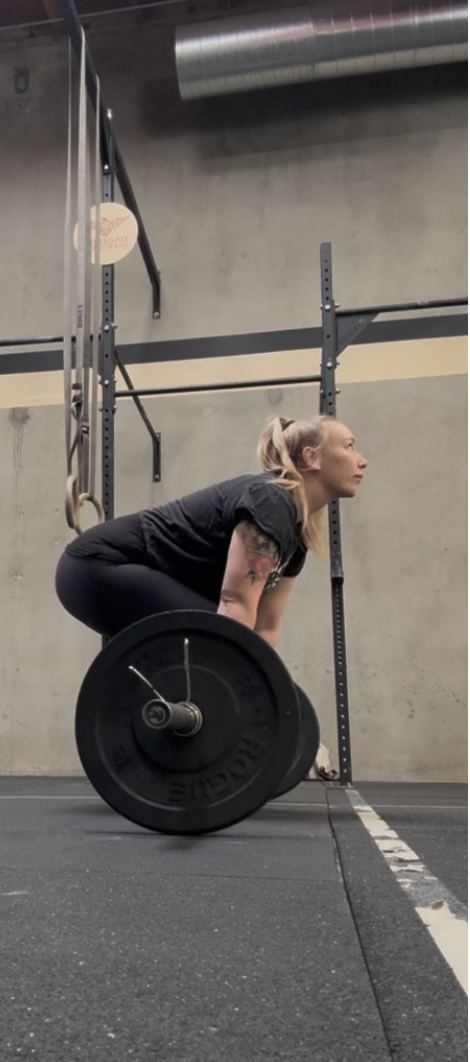
A few years ago, I decided to try CrossFit. From the outside, it looked intimidating and intense, but I was drawn to the strength and commitment I saw in the community. Starting something new felt uncomfortable, but it also sparked curiosity. Over time, I got stronger, learned new skills, and found support from people working toward similar goals. That experience reshaped how I think about growth and resilience.
Creativity works in a similar way. Trying a new craft, learning a hands-on skill, or joining a creative workshop gives us permission to explore and grow without the pressure to perform. It builds confidence and supports mental wellbeing in ways that traditional productivity never can. For businesses, this kind of shared experience strengthens teams and supports a healthier work culture.
Related: When to be Productive & when to be creative
A More Balanced Approach to the New Year
Instead of setting rigid resolutions, consider focusing on balance. Work that allows for progress. Relationships that create connection. Play that supports your nervous system and sense of curiosity.
New year goals don’t have to be extreme. They just need to support the whole person. And when work, love, and play are in balance, everything else feels more possible.